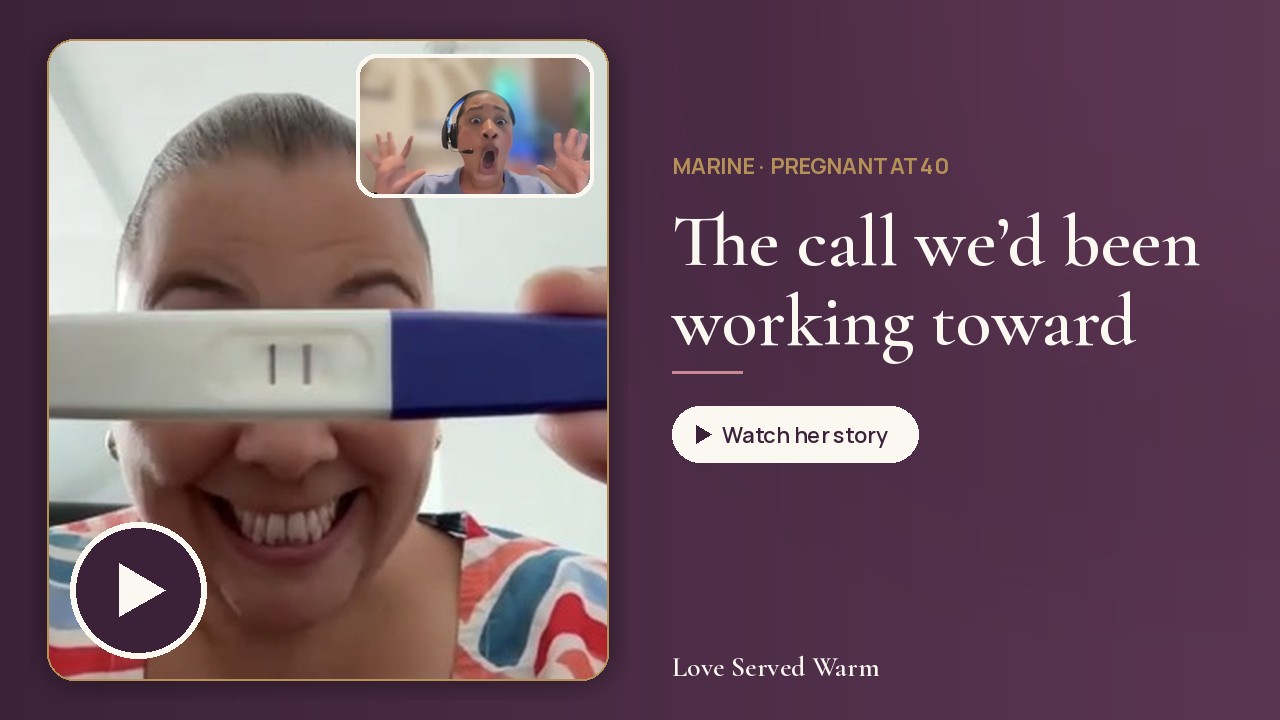
Positive OPKs for two years. Pregnant by cycle three at 36.
Every app said her timing was perfect. But only eight or nine days passed between her peak OPK and her period, with spotting three days early. We went to work on the first half of her cycle to build a stronger ovulation. Cycle one: 10 days, and the spotting stopped. Cycle two: 12 days. Cycle three: pregnant, naturally, at 36.
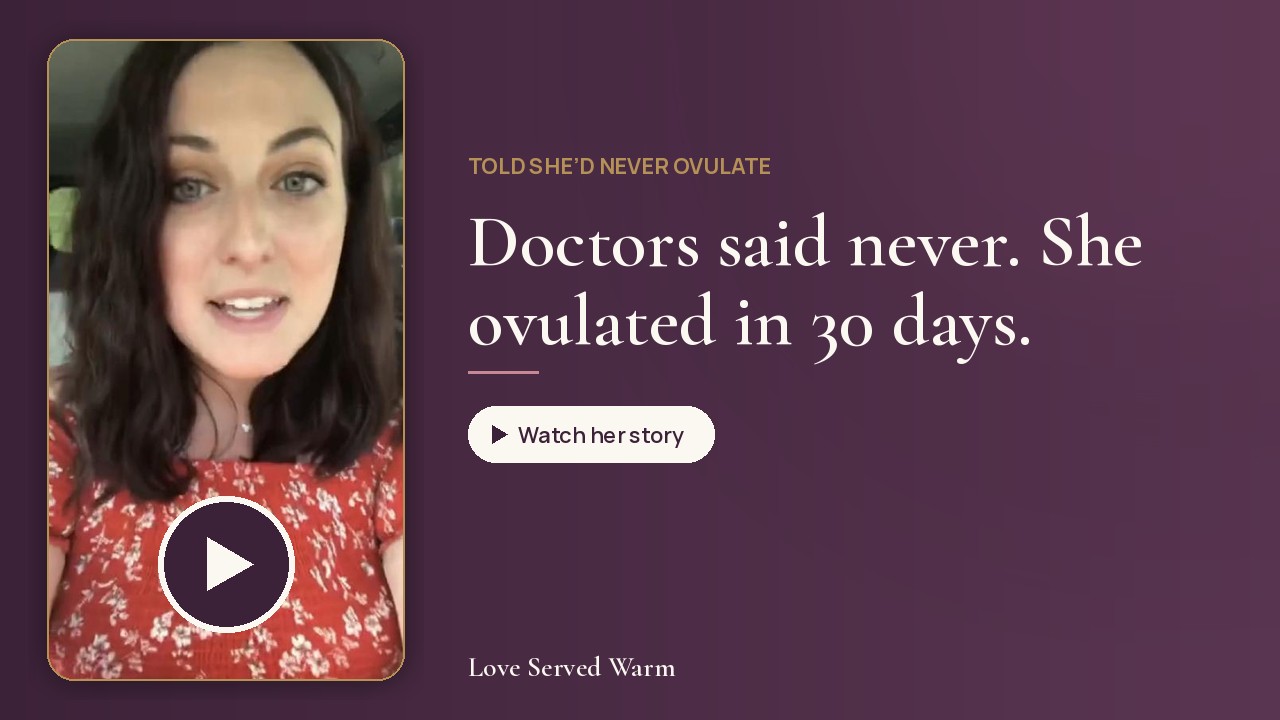
No clear ovulation in over a year. Pregnant four months later.
She came to me after 14 months without a clear ovulation and 7 months without a period. We built toward ovulation instead of waiting on it: real food in the morning, more fuel, less punishing exercise. By cycle two, she saw her first clear temperature shift in more than a year. Four months later, she was pregnant with her son.
Days away from Letrozole. Finally, a map.
Her OPKs looked promising and she was doing everything right, but pregnancy kept saying no, so she was about to start Letrozole. When we mapped her cycle, her body was starting ovulation but the follow-through after the surge was weak. Instead of walking into the next step blind, we knew exactly what needed support: ovulation, the luteal phase and progesterone.
Testosterone from 95 to 42. Her period back in six weeks.
Her total testosterone was 95 and her periods weren’t coming. We looked at her whole hormonal picture, not just when the next period might arrive. Her testosterone came down to 42, and her period returned within six weeks.